I attended my first SCBWI conference this weekend, and it was a fantastic experience. I really appreciated the opportunity to attend, as it was a fully digital conference this year. I pitch one of my picture book manuscripts to an editor tomorrow, which I’ll create a separate post about. But for now, here are some of my takeaways from the editors and agents that spoke at this year’s conference.
Editors
From Allyn Johnston
Think carefully about picture book page turns when writing and revising your manuscripts. Consider the theatrical nature of the read aloud when revising, as the story needs to read well not just in your mind, but to an audience.
I also loved the PBs she read during her session (Looking for Smile was my favorite, with Balancing Act coming in second), as they gave me more confidence in my own 110-word manuscript. My manuscripts tend to range between 450-650 words, so the different approach to that story style has been giving me pause. No longer!
From Michelle Nagler (Twitter)
Things to consider about my work before sending it to an agent or editor:
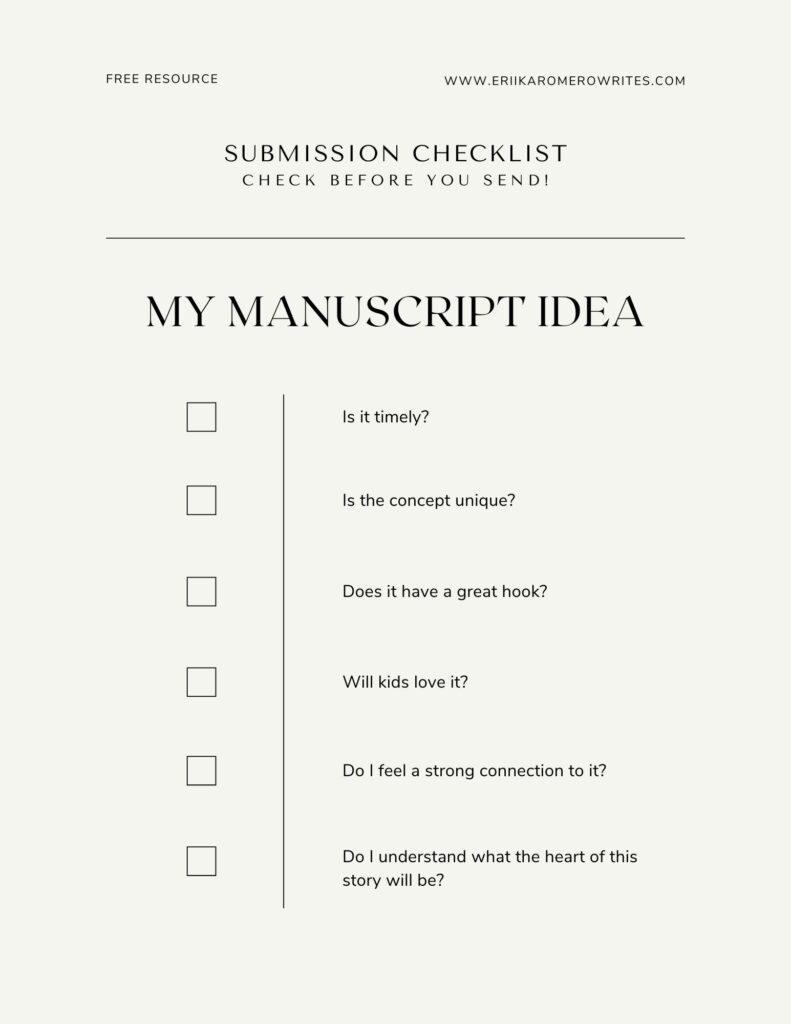
- Is it timely?
- Is it unique?
- Does it have a strong hook?
- Will kids love it?
- Is it polished and ready?
For me, I think being able to clearly state the hooks of my stories is what I struggle with the most. The other elements of this list I feel more confident in. So, a clear thing to work on before sending out additional queries.
From Kandace Coston (Twitter)
Kandace had such a detailed description of her thought process when looking at manuscripts. The aspect I most appreciated was her discussion of what she looks for in the writing itself.
- Does the voice sound natural?
- Is the character fully developed?
- Is there a strong plot structure?
- Is there a marketable hook?
- Is it re-readable?
The character development talk in this panel and other presentations caused me to take another look at the manuscript I’m pitching today. I ended up doing another round of revision that I feel really strengthens the character development and plot of my story. So glad I listened to this panel live!
From Feather Flores (Twitter)
The first element Feather discussed and the last element she discussed are what struck me the most during her talk. First, she emphasized the importance of the story opening and ending. They have to resonate with her, she said, and I completely understood. I tend to feel confident about my endings, but can’t always say the same about my openings. So, something to double-triple-quadruple check before sending a manuscript along to someone else. At the end of her talk, she spoke about the importance of having a connection to your own story and understanding what the heart of the story is for you. That really resonated with me, which also inspired the revision I did to my manuscript.
From Alex Borbolla (Twitter)
Alex talked about three things she looks for in a manuscript: voice, character, plot. Voice is most important to her, which was supported by other panelists. I feel like my manuscripts definitely have a consistent voice, with the exception of the one that’s very stylistically different. So, I was happy to hear the importance of voice from Alex.
From Phoebe Yeh
I really appreciated how Phoebe framed one aspect of her approach when considering manuscripts: “Do I want to tell everyone about it?” I, of course, want to tell everyone about my stories. But, can I imagine others feeling that way? Do my critique partners feel that way? Definitely something to keep in mind as a test once I feel a manuscript is fully polished.
Literary Agents
From Erin Murphy (Twitter)
Erin talked about the importance of being clear when discussing your goals and dreams with your agent (or potential agent). Make sure a potential agent reps all the genres you are interested in writing, for example. But also, she spoke about the importance of making evident to a potential agent that you are in this career for the long haul. You’re not a one and done author. As a picture book writer, having more than one polished manuscript is basically mandatory when querying. So, the one-and-done isn’t an issue. But, I still plan to keep my idea journal close at hand during any future “The Call.”
From Saritza Hernandez (Twitter)
I love how Saritza’s presentation emphasized the importance of communicating with your agent. And her examples of what to communicate about were incredibly helpful. Some examples:
- Share your goals
- Make clear communication expectations
- Respect your agent’s boundaries, just as they should respect yours
Definitely tips I’ll take with me as I continue on my getting-an-agent journey.
From Regina Brooks (Twitter)
Such a detailed and informative presentation! All about what happens after a deal is made. I was definitely taking screenshots of her slides. Her discussion of PR/Marketing differences and creating a toolkit was particularly interesting. I learned a lot and left her presentation feeling like I had a much better grasp of the post-deal experience.
From Kirsten Hall (Twitter)
Kirsten’s talk was very different than the others, as it focused on sharing five stories of different paths to “success.” A really motivating presentation to listen to, which made clear that achieving success isn’t a one-size-fits-all experience.
From Marietta Zacker (Twitter)
Another interesting agent perspective. I loved her emphasis on how your agent is an ally to depend on once your book is sold and your relationship with an editor comes into existence. One deal isn’t the end of your agent/author relationship and every deal is different. Communication is key.
If you also attended the conference, I’d love to read your biggest takeaway in the comments!
In case you’re interested, I added a new resource to my resource library. It’s a 4-page Manuscript Checklist inspired by these panelists. I go from manuscript idea, to draft, to critiqued/polished draft. If you’d like your own copy, you can sign up for resource library access here.